
The following weeks were a masterclass in manipulation. Camille wasn't just calling me; she was curating a version of me to the world. To our friends, I was the "unstable" one who had a breakdown and "punished" her for a moment of stress. She played the part of the heartbroken fiancée who was being financially bullied by a bitter, jealous man.
I didn't engage. I didn't post on social media, I didn't text back, and I didn't defend myself. I threw myself into HarborPoint.
My new CEO, Priya, was a force of nature. She was the antithesis of Camille. When she saw me working late, she didn't ask about my "emotional health"; she asked if the supply chain projections for the Q4 launch were accurate. It was refreshing. I was solving problems that actually mattered.
But Camille was relentless. She started "bumping" into people I knew. She reached out to my former colleagues at Celsian, painting me as a flight risk, someone who had "quit" or "been pushed out" in a way that made me look incompetent. She was trying to poison the well.
The turning point came in October.
I was finally settled in at HarborPoint. We had just closed a major deal, and I was featured in a regional business magazine. It wasn't huge—just a profile on "The Architects of HarborPoint’s Expansion." But it was there. My name. My title. My accomplishments.
That morning, I walked into my office to find a familiar face in the lobby. Camille.
She looked… different. Not as polished. Her eyes were hard.
“We need to talk,” she said, cutting right through the pleasantries.
I gestured to an empty conference room. She followed me, her heels clicking aggressively on the glass floor. She held a copy of the magazine in her hand.
“So this is it,” she said, slamming it onto the table. “This is why you were so cold. You had this lined up the whole time.”
“I had a job, yes,” I said, leaning against the table, my arms crossed. “I didn't have this article. This is the result of months of work.”
“You had the job! You had it when you walked out of the Ashbury!” She was shouting now, losing her composure. “You could have told me! You could have shown me the contract, and we would have been fine! I wouldn't have… I wouldn't have done what I did.”
I looked at her, and for the first time, I felt… nothing. No anger. No hurt. Just the profound, quiet realization of how much she had changed me.
“If I had shown you the contract,” I said, my voice low and steady, “you would have stayed. You would have put the ring back on, smiled for the wedding photos, and we would have gone through with the marriage. And for the rest of my life, I would have known that your love for me was conditional on my paycheck.”
She froze. “That’s not fair.”
“It’s the truth, Camille. That’s why I didn’t show you. I needed to see what happened when the paycheck was gone. And I got my answer.”
“I was scared!” she cried. “I was terrified that the life I built was slipping away! Everyone looks at you differently when you’re unemployed, Owen. You know that! I was protecting us!”
“No,” I corrected her. “You were protecting your investment. And you decided I was a bad one.”
She looked around the room, at the view of the city, at the evidence of my success. She looked like she was mourning the life she thought she was going to have. She reached out to touch my arm, a move I’d seen her use to manipulate a thousand times before.
“We can fix this,” she whispered. “I’m different now. I understand. We can start over.”
I took a step back, breaking the contact.
“Wesley and I are over,” she added, a pathetic attempt to show me she was "available" again.
I laughed, a short, sharp sound. “Camille, Wesley doesn't matter. The article doesn't matter. The only thing that matters is that you showed me who you were when the chips were down. And I believed you.”
She realized then, in the cold, clinical air of that conference room, that she had lost. There was no more manipulation, no more leverage, no more "value proposition" to negotiate.
But as she walked out, defeated and looking smaller than I’d ever seen her, I didn't feel triumphant. I felt a heavy, sinking dread. She reached the door, paused, and looked back with a look of pure, unadulterated venom.
“You think you’ve won, Owen,” she hissed. “But you haven’t seen what I can do when I’m backed into a corner.”
I watched her walk away, and for the first time, I realized that the battle for my peace wasn't over. She wasn't just going to let me walk away successful. She was going to try to burn it all down. And I realized, with a chill, that she had one card left to play that I hadn't even considered.
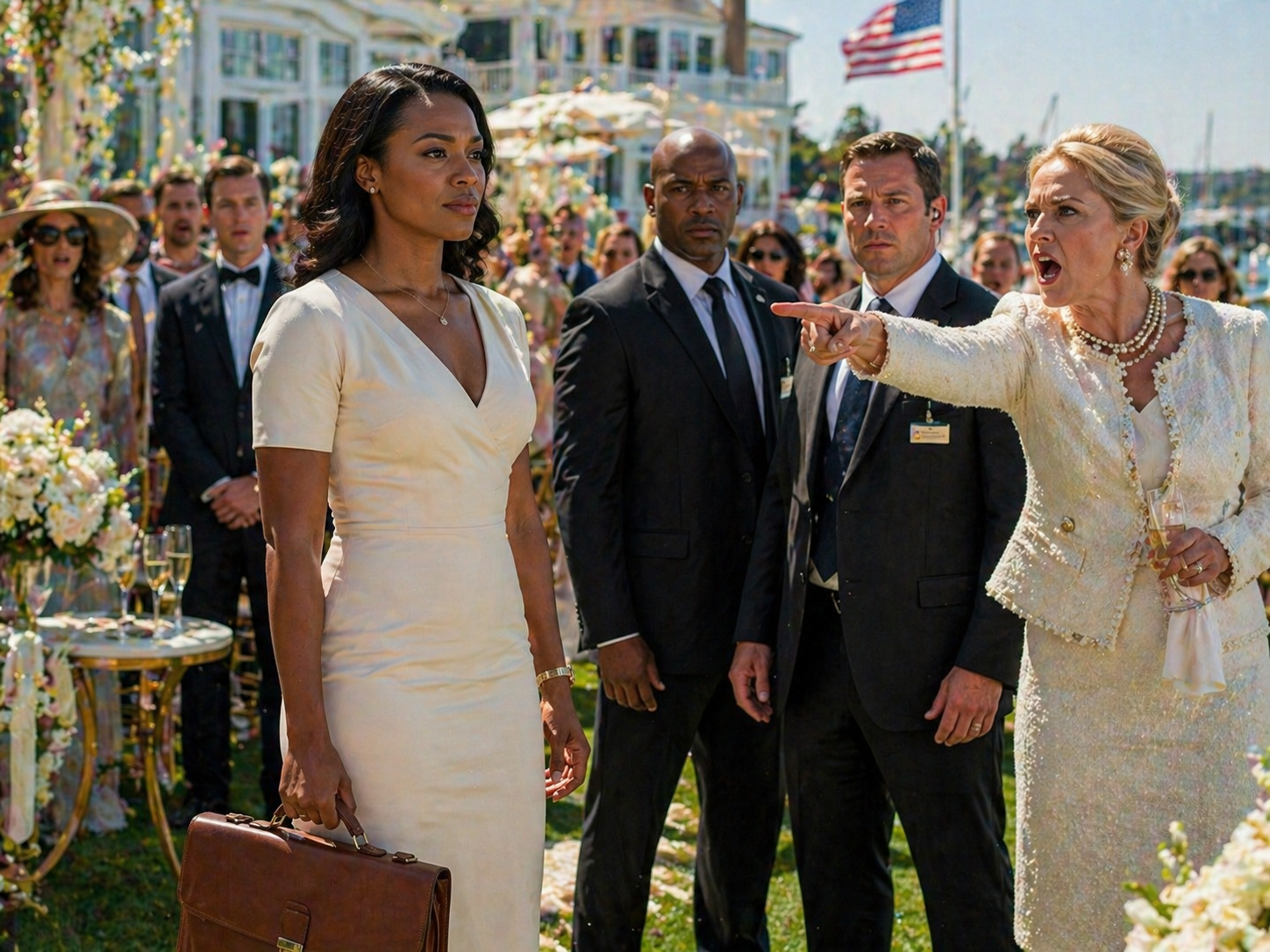
![[FULL STORY] My Girlfriend Said She Could Walk Away Because Men Were Begging. I Pointed To The Exit. She Crumbled](https://sa.greatgames.info/storage/thumbnails/1777219897_C10.png)
![[FULL STORY] My "Spiritual" Girlfriend Used My Money To Fund Her Secret Affairs So I Exposed Her Lies During Her Own Dinner Party.](https://sa.greatgames.info/storage/thumbnails/1777001640_r16.png)
![[FULL STORY] My girlfriend's sister came to me crying during our engagement ceremony.She placed something in](https://sa.greatgames.info/storage/thumbnails/1776997295_C6.png)
![[FULL STORY] Post Surgery, My Fiancée Assumed I Was Still Sedated When She Told Her Friend, 'The Doctor](https://sa.greatgames.info/storage/thumbnails/1777019708_T1.png)