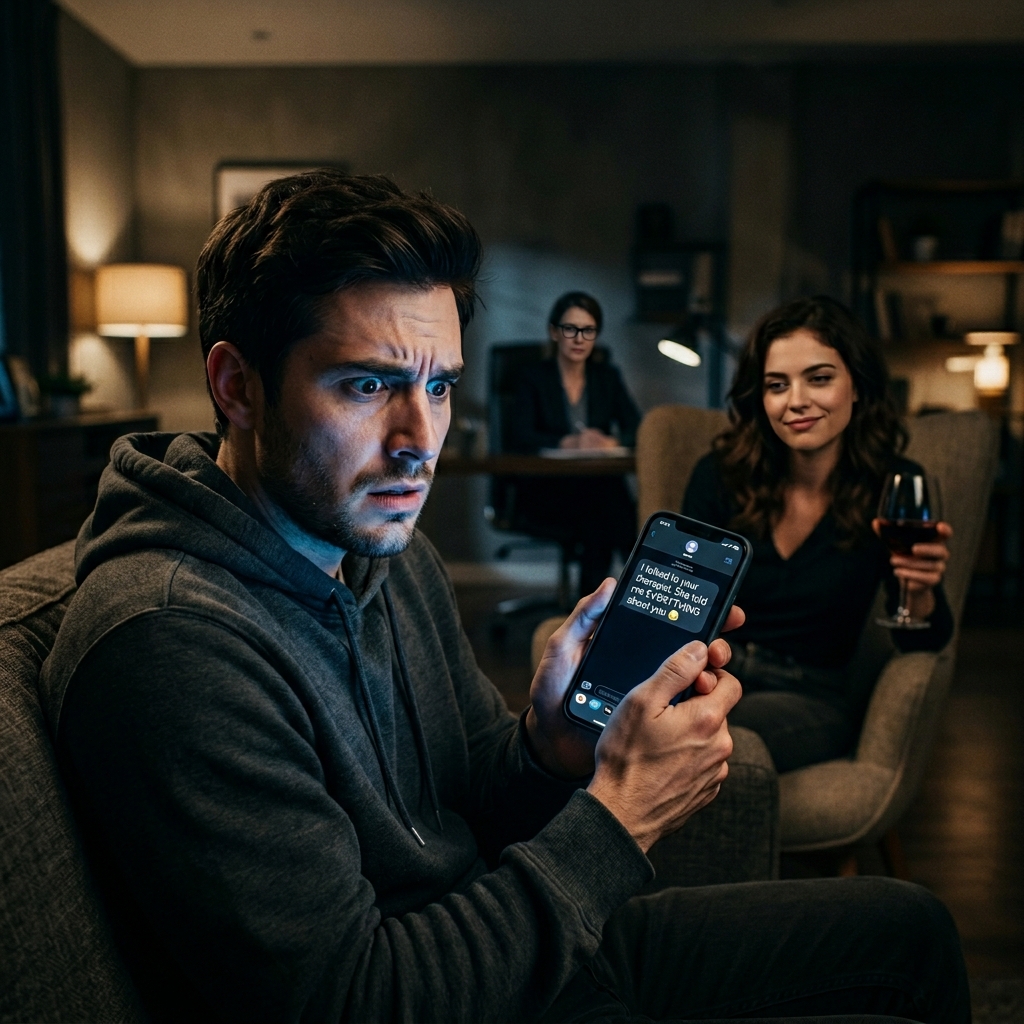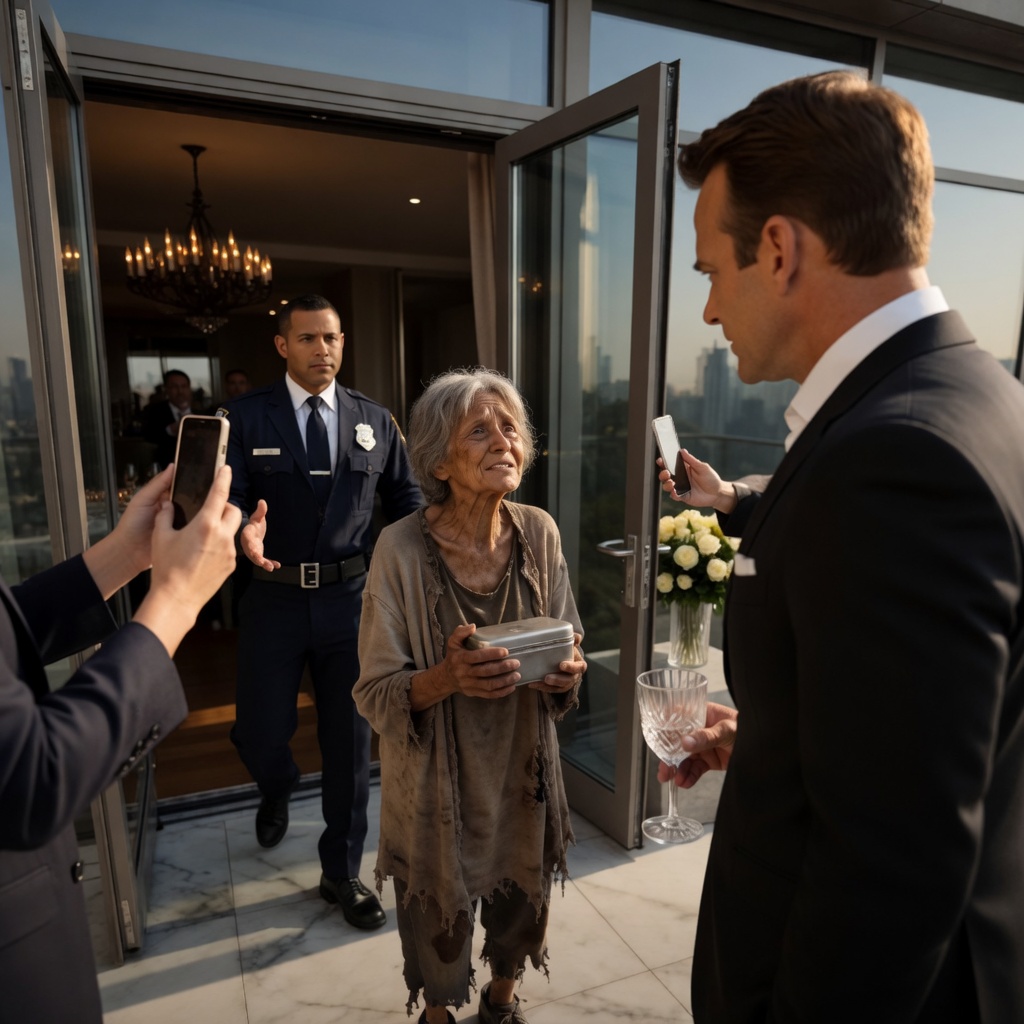
The invitation was a fake, of course. A "mock-up" Sienna had created and sent to my mother, my sister, and my boss.
It announced the "Union of Soulmates": Sienna & Marcus. It was her way of saying, "You didn't dump me; I chose him." It was a pathetic attempt to rewrite the narrative of her betrayal as a grand romance.
But there was a problem. Sienna didn't have the money to pay the remaining balances at the venue. And Marcus? Marcus didn't have enough money to pay his phone bill, let alone a wedding in Tuscany.
The venue manager, a stern Italian woman named Isabella, called me on Friday.
"Signor Julian, your... ex-fiancée... she is here. She is demanding we keep the date for a different groom. She says the deposit is 'hers' because it was a gift to the couple."
I smiled into the phone. "Isabella, who signed the contract?"
"You did, Signor."
"And who paid from a personal, sole-owner account?"
"You did, Signor."
"Then tell her that the contract is terminated. And Isabella? If she refuses to leave, call the police. I am no longer responsible for her 'spiritual alignments'."
I heard a muffled scream in the background—Sienna losing her cool in the lobby of a five-star hotel. It was the last time I ever heard her voice.
The aftermath was a slow cleaning of the soul.
I didn't go to the Maldives. I didn't go on the honeymoon. Instead, I took that time off and flew to a small village in Norway. I spent two weeks hiking in the freezing cold, breathing air that didn't smell like perfume or lies.
I realized something up there, looking at the fjords.
We often stay in bad relationships not because we love the person, but because we are afraid of the "waste." We look at the four years, the money, the shared friends, and we think, "I can't let this go to zero."
But that’s a "sunk cost" fallacy. In engineering, if a bridge is designed with faulty steel, it doesn't matter how much you've already spent building it. You stop. You pivot. Because the cost of it falling down later is always higher than the cost of stopping now.
Sienna didn't just "make a mistake." She showed me her character. She showed me that her need for "excitement" and "validation" would always outweigh her respect for our commitment.
When someone shows you who they are, believe them the first time.
Six months later, life is different.
The townhouse is quiet. I’ve replaced the furniture she picked out with pieces that actually fit my frame. I’ve started cooking again—real meals, not the "camera-ready" salads she insisted on.
I ran into Hannah, her "work emergency," at a coffee shop last month.
Hannah looked embarrassed. "Julian, I’m so sorry. I didn't know she was using my name that night. I would have never covered for that."
"It's okay, Hannah," I said. "You were just a prop in her story. We both were."
"She’s with him, you know," Hannah whispered. "Marcus. They live in a studio apartment above a garage. She’s miserable. She keeps calling me to complain that he doesn't have a 'provider mindset'."
I laughed. Not a bitter laugh. A genuine, light one. "Well, she wanted chemistry. Chemistry is volatile. Stability is what she left behind."
I’m dating again now. A woman named Elena. She’s a surgeon. She’s busy, she’s brilliant, and she’s the most direct person I’ve ever met.
On our third date, she was ten minutes late because of a trauma case. She called me five times to update me. When she arrived, she didn't apologize with a performance; she apologized with a hug and a "Thank you for waiting."
I told her about the "Blue Dress" incident. Not as a sob story, but as a map of where I’ve been.
She listened, then said, "A man who knows when to stop building a broken bridge is a man I can trust to build a real one."
I think she’s right.
To anyone listening to this: Self-respect isn't about being "cold" or "unforgiving." It’s about knowing your own value. It’s about realizing that "jealousy" is a word used by manipulators to make you feel guilty for noticing their disrespect.
When she came home at 3 AM and asked if I was jealous, she wanted a fight. She wanted me to beg her to stay.
By saying "Not anymore," I didn't give her a fight. I gave her the one thing a narcissist can’t handle:
Silence.
And in that silence, I found my life again.